

Discovering Time-Honored Slavic Matrimonial Customs
An Introduction to Slavic Wedding Customs
Slavic marriage traditions symbolize a blend of cultural, religious, and historical elements. These customs have been passed down through generations, protecting the unique spirit of Slavic communities. Slavic matrimonial customs showcase vivid symbolic meanings and historical depth. Rooted in age-old practices, these ceremonies connect the present with the past, underlining the importance of family, community, and faith. Traditional nuptial practices https://bellwetherevents.com/venues/small-wedding-venues/ in Slavic culture provide unique insights into long-standing beliefs and values cherished by Slavic people. Slavic matrimonial ceremonies, known for their rich traditions and vibrant colors reflect a deep connection to heritage and communal bonds..
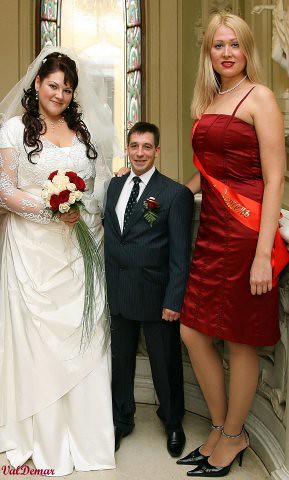
Understanding Slavic marriage traditions requires acknowledging the role of family alongside community. From initial courtship to the final celebration, every step expresses unique social norms. Every phase, from meeting to marriage celebration, is imbued with cultural significance. Moreover, many traditions retain ancient pagan elements interwoven with Christian rituals, signaling the fluid cultural evolution of the region. Pagan roots combined with Christian rites mark the complexity and depth of these customs. Ancient beliefs coexist alongside Christian symbolism in many customs, showing cultural adaptation.
Our article walks you through prominent elements of Slavic nuptial traditions, from betrothal to festivities and evolving modern trends. By examining the primary components of Slavic wedding customs, including ritual stages and their meanings, we provide an insightful understanding. We examine the timeline of Slavic matrimonial traditions alongside cultural significance, looking also at contemporary changes and challenges.
How Slavic Couples Begin Their Journey
Slavic courtship often requires acceptance from the family and community before progressing. In contrast to Western styles of dating, there is more focus on serious intentions and family involvement than casual dating. Traditionally, Slavic courtship focuses on strong family connections rather than casual socializing. Potential suitors make formal visits to signal their intentions to the bride’s family. Suitors typically present themselves formally to seek a bride’s family blessing.
Gift-giving, including flowers or handmade presents, is a customary step in the courtship process. This gesture functions as a sign of seriousness and respect. It symbolically conveys genuine interest and respect towards the bride and her relatives.In many regions, the groom’s family may also offer traditional treats to the bride’s household. The groom’s family often visits bearing gifts as a sign of goodwill and commitment.
Advice commonly suggests approaching relationships with sincerity and a respectful mindset. Acknowledging the importance of family, tradition, and cultural pride helps build trust. Respect for family and cultural roots is crucial to foster trust in relationships with Slavic women. Contemporary relationship dynamics are equally influenced by tradition, so it’s important to balance old customs with new perspectives. Blending traditional values and modern understanding is key in today’s Slavic dating world.
It’s crucial not to fall prey to oversimplified views or worn clichés about Slavic women. Many Slavic women are known for being independent, intelligent, and strongly family-minded. Effective communication and cultural sensitivity are vital in fostering successful relationships. To create meaningful relationships, cultural understanding is indispensable.
The Wedding Ceremony: Customs and Symbolism
On the wedding day, attendees witness many meaningful traditions that signify union, prosperity, and protection. Details such as the bride’s attire and the order of rituals conveys rich traditional value. Every element from costumes to rituals conveys deep meaning rooted in history.
The bridal wreath and veil symbolize the bride’s purity and passage from maidenhood to married status. Typically, the bride dons a floral crown created from live flowers or specific herbs. The garland worn by the bride is often crafted from fresh plants with protective and fertility associations.
Stepping over bread or other items indicates the couple’s shared future and prosperity. Elders bless the couple using folk prayers or traditional sayings, asking for happiness and longevity in married life. Blessings from elder relatives call for luck and enduring love.
Folk music and traditional dances are essential elements in the festivities. Guests participate enthusiastically, sharing joy and strengthening community bonds. Joyful group dances bring the community closer during the event.
The food served reflects regional culinary heritage and festive abundance. Typical foods include pierogi dumplings, beetroot soup, and sweet honey cakes. Signature dishes like pierogis and borscht enjoy widespread presence at weddings. Each dish often has symbolic significance related to health, fertility, or prosperity
Post-Wedding Traditions: Life Beyond the Ceremony
Post-marriage, several traditions focus on cementing the couple’s connection and community status. The morning following the wedding often includes a communal breakfast involving relatives and friends. This meal serves to express gratitude and welcome the bride into the groom’s family.
In some areas, newlyweds may visit holy places or be part of community celebrations lasting several days. Spiritual ceremonies and community bonds both sustain their new life together.
mutual understanding, gender roles, and extended family interactions form the heart of married life. These elements are frequently celebrated in family milestones and festivals.
Today’s couples adapt customs but maintain respect for their cultural roots and values. Dating advice focusing on sincerity and respect helps navigate this balance
Navigating Myths: Slavic Women and Societal Perceptions
Prevailing clichés about women from Slavic nations often include ideas of them being overly traditional or submissive. Nevertheless, reality differs. The truth, however, reveals a more varied and layered picture. Many Slavic women today are educated, independent, and ambitious Recognizing the complexity of Slavic women’s roles helps dismantle myths.
Czech Mail Order Brides: How Can You Order A Bride From Czechia? Successful relationships with Slavic women often depend on good communication and cultural empathy. Awareness of traditional values and steering clear of bias enhances mutual respect. Forming authentic bonds is far more important than stereotypes.
Slavic nuptial customs present a fascinating fusion of history and modernity. Understanding these traditions helps deepen appreciation for the complexities of Slavic relationships and identities.
This thorough look offers valuable knowledge for anyone curious about Slavic matrimonial heritage and modern perspectives.

