
Myths and facts about gambling debunked What you really need to know
Understanding the Randomness of Games
One of the most pervasive myths surrounding gambling is the idea that certain games are more predictable than others. Many players believe that if they observe a game for a while, they can determine when a win is due. In reality, games like slot machines and roulette are designed to be random, meaning each outcome is independent of previous results. This concept, known as the «gambler’s fallacy,» can lead players to make poor decisions based on erroneous beliefs about patterns. To fully appreciate this randomness, some might even explore aus online pokies.
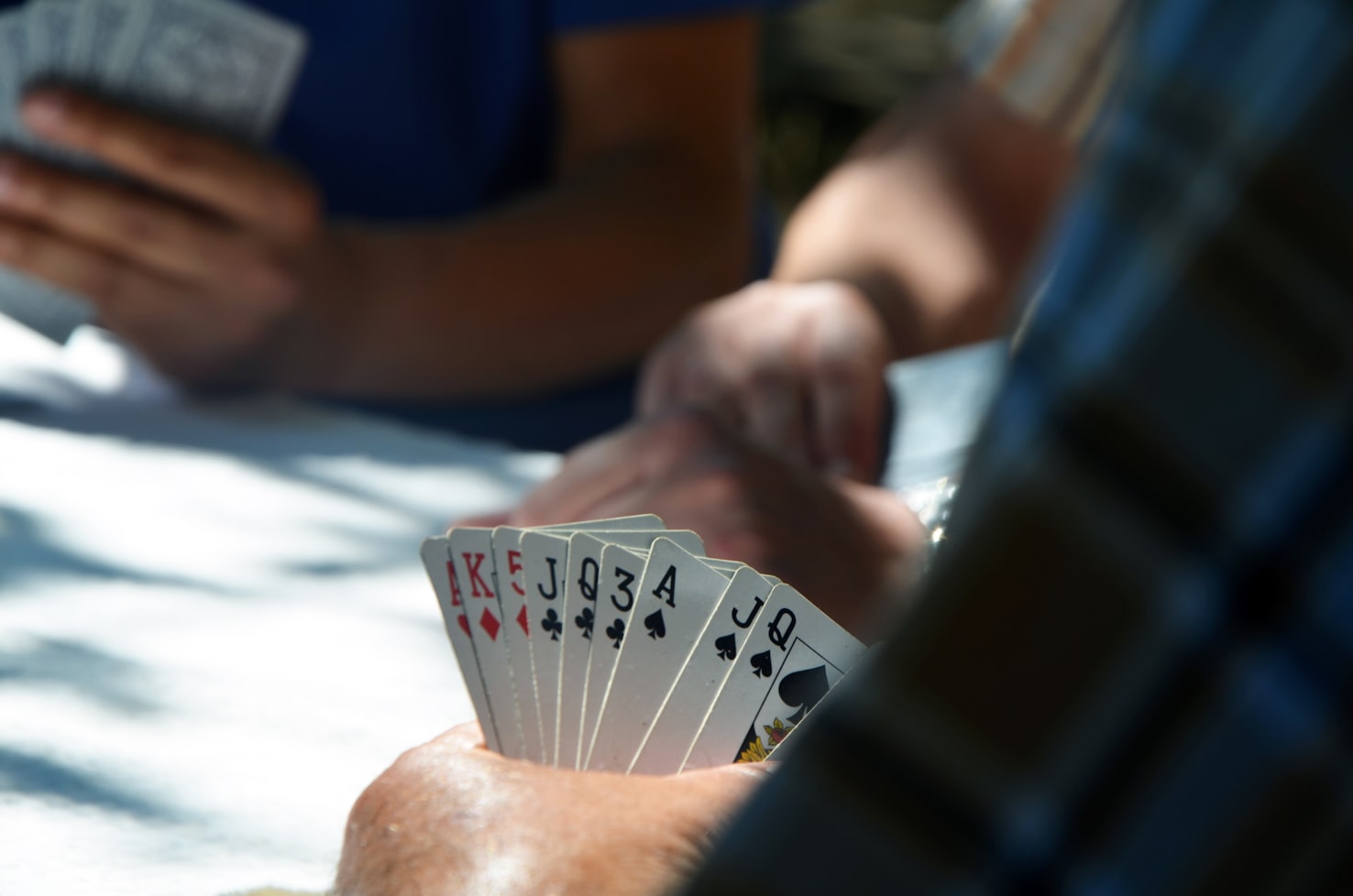
The truth is that every spin of a slot machine or every roll of the dice operates on random number generators, which ensure that outcomes are entirely unpredictable. Understanding this randomness is crucial for anyone looking to engage responsibly in gambling activities. Embracing the concept of chance can help players approach games with a healthier mindset.
The House Always Wins
Another common belief is that the house always has an overwhelming advantage, leading players to think that winning is nearly impossible. While it is true that casinos are designed to profit over time, many games offer favorable odds for players, especially with strategic play. For instance, blackjack and poker can provide players with opportunities to gain an edge through skill and strategy, unlike purely luck-based games.
It’s essential to recognize that while the house may have the edge, informed decision-making and effective strategies can significantly increase a player’s chances of winning. Understanding the odds and employing sound tactics can lead to more enjoyable and potentially lucrative experiences.
The Myths of Winning Streaks
Many gamblers hold the belief that a winning streak can be extended or predicted based on previous wins. This myth can lead players to chase losses or continue betting in hopes of maintaining their good fortune. However, the idea of streaks is a misinterpretation of probability. Each game outcome is independent, and past performances do not influence future results.
Players should focus on their strategies and budget management rather than relying on supposed winning streaks. Recognizing that each game is a separate event can help individuals make more rational decisions and minimize the risk of significant losses due to chasing after luck.
The Misconception of Skill-Based Gambling
Many people believe that skill-based games are purely about talent and that anyone can excel if they practice enough. While it’s true that games like poker and blackjack involve elements of skill, luck still plays a significant role. This misconception can lead to unrealistic expectations among players, who may think they can consistently win through skill alone.
Understanding the balance between skill and luck is vital for responsible gambling. While developing strategies and honing skills can improve one’s chances, players must also accept the inherent uncertainties of gambling. Acknowledging this balance encourages a more realistic and enjoyable gambling experience.

Exploring the Literary World of Gambling
While gambling can be a thrilling pastime, it also intersects with literature and storytelling. For those interested in delving deeper into the themes of gambling, including its psychological, social, and ethical dimensions, many resources are available. Engaging with narratives about gambling can enhance understanding and provide diverse perspectives on the practice.
By exploring literature that focuses on gambling, players can find enriching insights that foster critical thinking about their experiences. Whether you’re reading fiction that incorporates gambling or non-fiction that discusses its implications, there’s a wealth of material to expand your understanding of this complex world.